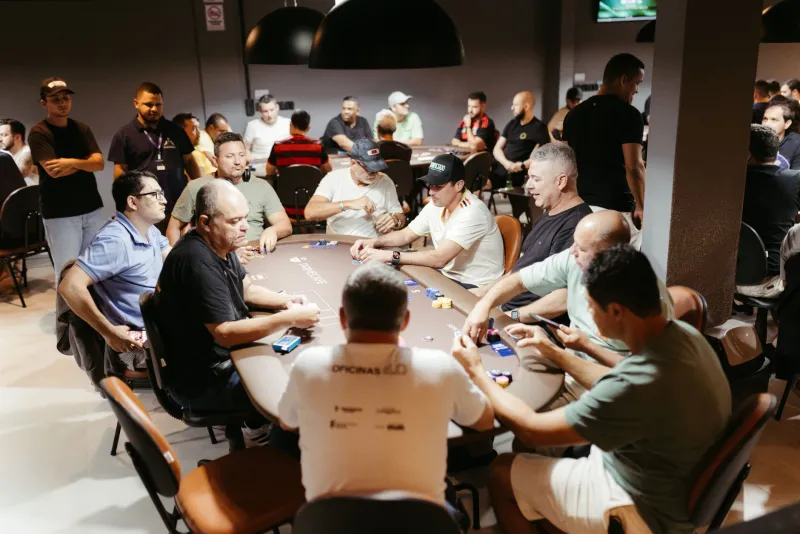
Your Friendly Local Game Store Now Charges a Friendship Tax
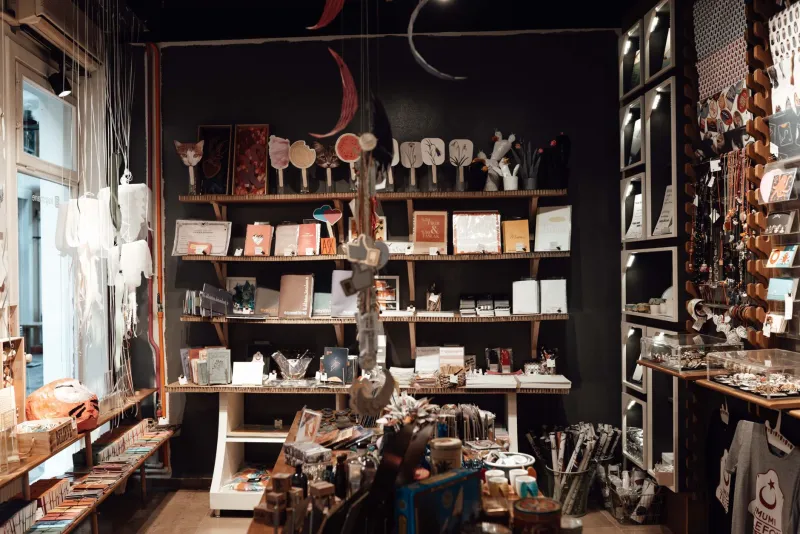
There's a eulogy being delivered at every game store in America right now, and the deceased is being blamed for its own murder. 'Players just buy online now,' the story goes. 'Convenience killed the local scene.' Bull. I've watched enough crime dramas to know you always look at who benefits, and buddy, the store owner benefits.
The Receipts, Literally
I did something radical last weekend: I priced a Commander precon, a box of sleeves, and a handful of singles at three different places — my local shop, TCGplayer, and the Target fifteen minutes down the road. The precon? $54.99 at the store. $39.99 at Target. Same product, sealed, identical. That's a 37% markup for the privilege of buying it in a building that smells like Doritos and disappointment.
The singles were worse. A mid-tier mythic I needed for a Standard list was $22 on the shelf. The cheapest Near Mint copy online, shipped? $9. Forty cents for shipping, sure, but the gap isn't shipping. The gap is 'what do you think the market will bear,' and the answer apparently is 'whatever a guy with no other options will pay at 6:45 on Friday night.'
When the Store Became a Scalper
Here's where the defenders chime in: 'Margins are thin! Rent is expensive! Magic distributors are a nightmare!' All true. Genuinely. Running an LGS in 2024 America is a financial knife fight. I respect the hustle.
But there's a difference between charging enough to survive and charging like you're the last gas station in the desert. Somewhere along the way, a lot of stores stopped pricing like neighbors and started pricing like Ticketmaster. The buyout-era single marked up 300% over market isn't 'covering overhead.' It's betting your customers don't have a phone in their pocket. We all have a phone in our pocket.
Nobody Left Because of Convenience
The convenient lie is that Amazon Prime murdered the LGS. The uncomfortable truth is that players will pay a premium for community — they did it for decades, happily, at markups far worse than today's. What they won't pay for is being treated like a wallet with legs.
You know what players actually left over? The FNM entry fee that crept from $5 to $15 while prize support went from packs to 'store credit, store credit only, no exceptions.' The trade binder guy — often the owner or his lieutenant — lowballing every trade 'for store value.' The singles wall priced against TCGplayer Market but rounded up, always up, never down.
What a Store That Wants to Live Looks Like
Some stores get it, and they're thriving while their competitors post 'why doesn't anyone come to events anymore' on Facebook. The pattern is boring and obvious:
- Events priced like entertainment, not ransom. $8 Friday Night Magic with real prize support fills a room. $15 for two packs of a set nobody opened does not.
- Singles priced to move. A shelf that turns inventory four times a year beats a shelf that turns once.
- Staff who play the game. If the guy behind the counter can't tell me what's rotating, he's not a game store employee, he's a gas station attendant with worse snacks.
- Community investment that isn't a poster. Open play tables that don't require a purchase. Beginner nights. A owner who knows the regulars' names.
The Punchline
The local game scene isn't dead. It's being priced out, by the very people who claim to be its guardians, and then blamed for leaving. Players didn't abandon the LGS. The LGS stopped being local — it became a middleman with a landlord.
The stores that remember they're in the friendship business, not just the cardboard business, are doing fine. The rest can keep charging the friendship tax, right up until the last regular walks out the door with a phone in their hand and an order confirmation on the screen.
Kill Goldfish has no mercy for the meta, but it also has no mercy for a $54.99 precon. Choose your villain accordingly.